Stories of Impact

The Story Behind Every Statistic

Numbers matter because children matter. Here is what our four programs actually do, and what they changed, school by school across Uganda.

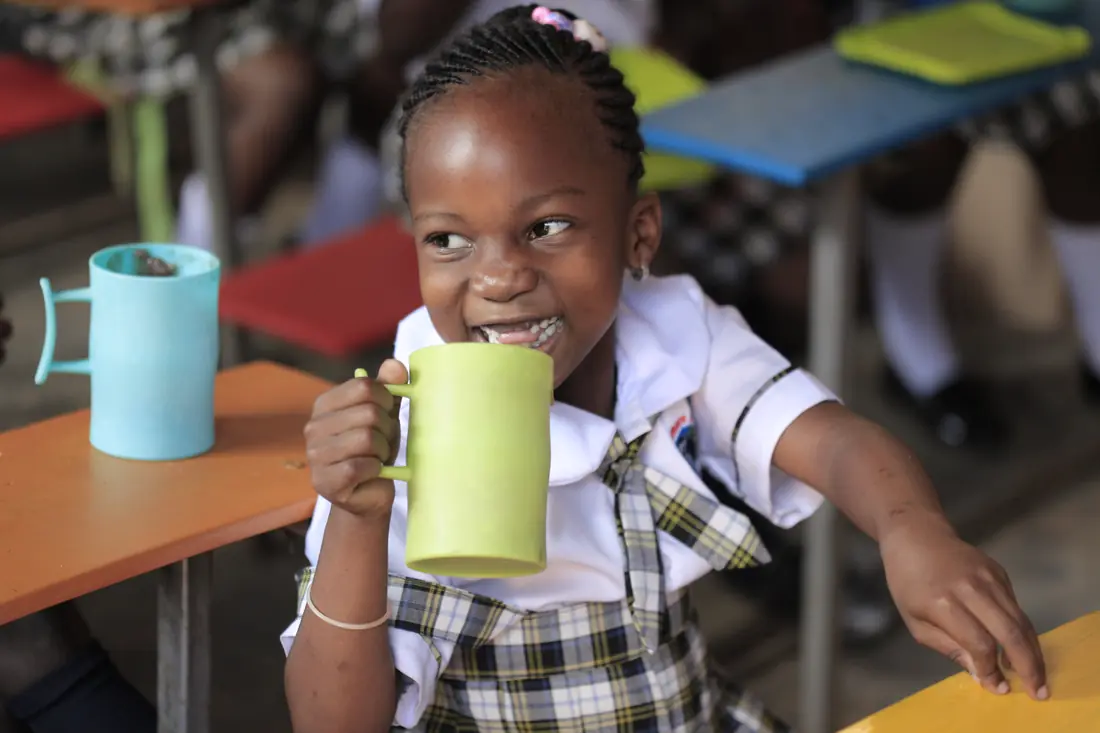
A pupil drinks safe water from a mug at her desk in class

Clean Water Access

Clean Water, Every Day

When School Health Africa first entered partner schools, children were drinking from unprotected rainwater tanks and shared jerry cans. Absenteeism spiked every wet season, when contaminated runoff made waterborne illness a weekly, sometimes daily, reality in the classroom.

We install multi-stage purification systems (sediment filtration and UV treatment) directly at each partner school, with termly maintenance visits by our field technicians and a trained school caretaker on site. Today, every partner school provides safe drinking water to every enrolled child, at no cost to families.

Head teachers now report steadier attendance through the wet season and fewer stomach-related complaints than in any previous academic year.

School water and hygiene interventions cut absenteeism by 26 to 35% in randomized trials.
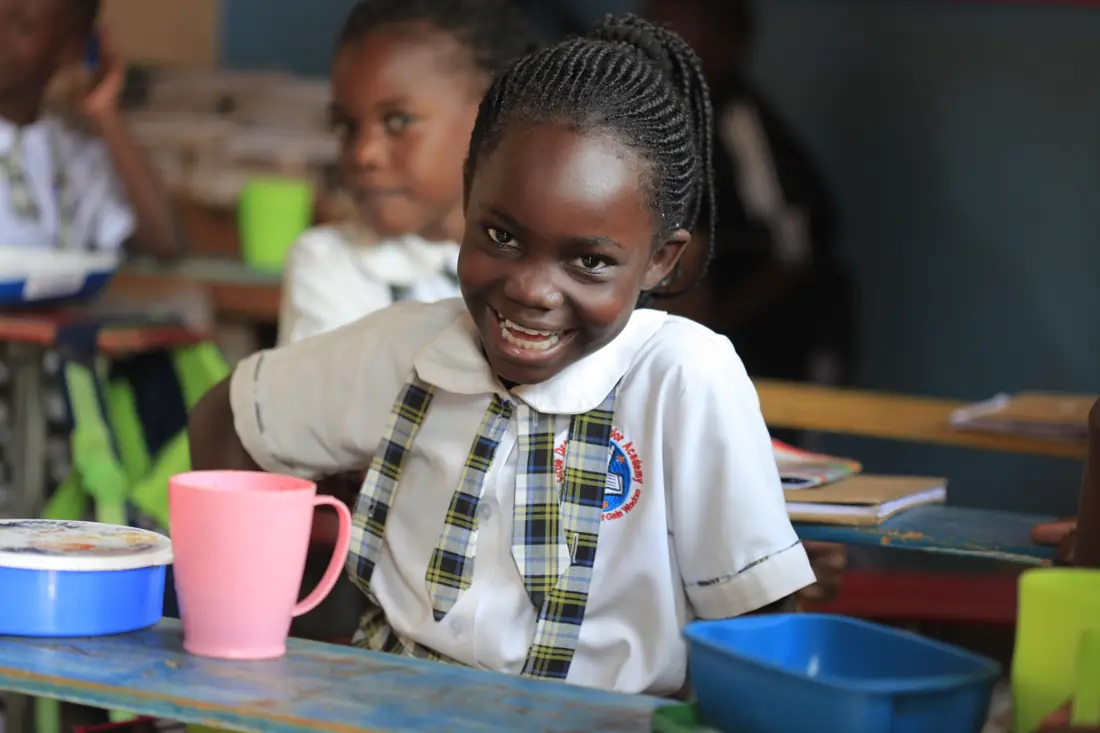
A smiling pupil at her desk with her lunch bowl and mug

Deworming & Micronutrients

Nourished to Learn

A hungry child does not learn, and a child carrying intestinal worms learns even less. In the districts we serve, many families cannot routinely access deworming treatment or vitamin supplementation, so fatigue, poor concentration, and repeated infection quietly cap what children can achieve in class.

Every term, our health days bring WHO-approved dewormers and micronutrient supplements to every enrolled child, delivered with parental consent, district health office oversight, and careful record-keeping.

Teachers tell us the change is visible within weeks: more energy through afternoon lessons, sharper focus during reading practice, and stronger attendance on health-day follow-ups.

School deworming cut absenteeism by 25% in the landmark Kenya trial (Miguel & Kremer, 2004).

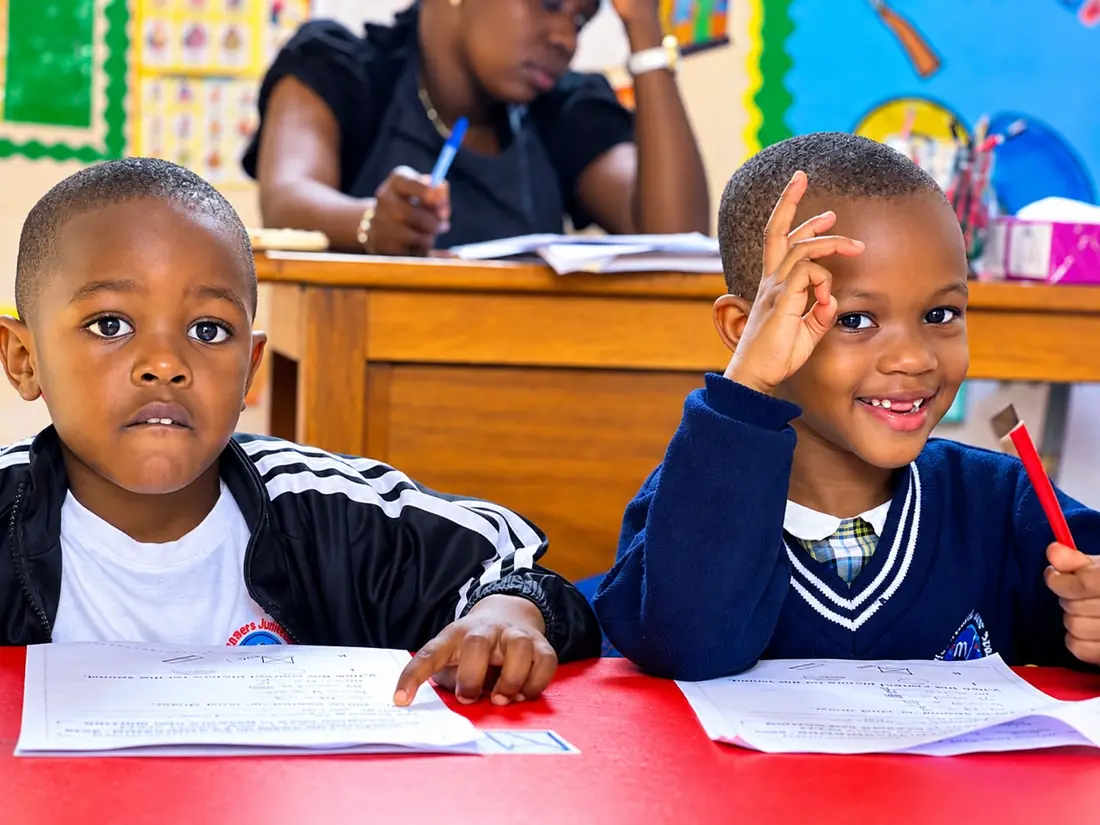
A teacher leads a lesson while pupils work at their desks

First Responder Training

Teachers as Health Heroes

Most Ugandan schools have no health professional on staff at all, and before School Health Africa, few of the teachers in our partner schools had ever received formal health-emergency training. The question every head teacher asked us was the same: “If a child collapses in my classroom, what do I do?”

Our certified first-responder curriculum answers that question. Over two days of classroom instruction and supervised practical drills, teachers learn to respond to choking, allergic reactions, wounds and bleeding, fainting, fever convulsions, and when and how to escalate to emergency services. Each graduate receives a printed protocol guide, and every school maintains a stocked first-aid station with a two-teacher emergency roster.

40 teachers have completed certification so far. One told us: “Before School Health Africa came to our school, I wouldn’t have known what to do if a child collapsed. Now I’m confident I can keep them safe.”

Fewer than 10% of Ugandan teachers had any formal health-emergency training before our program.

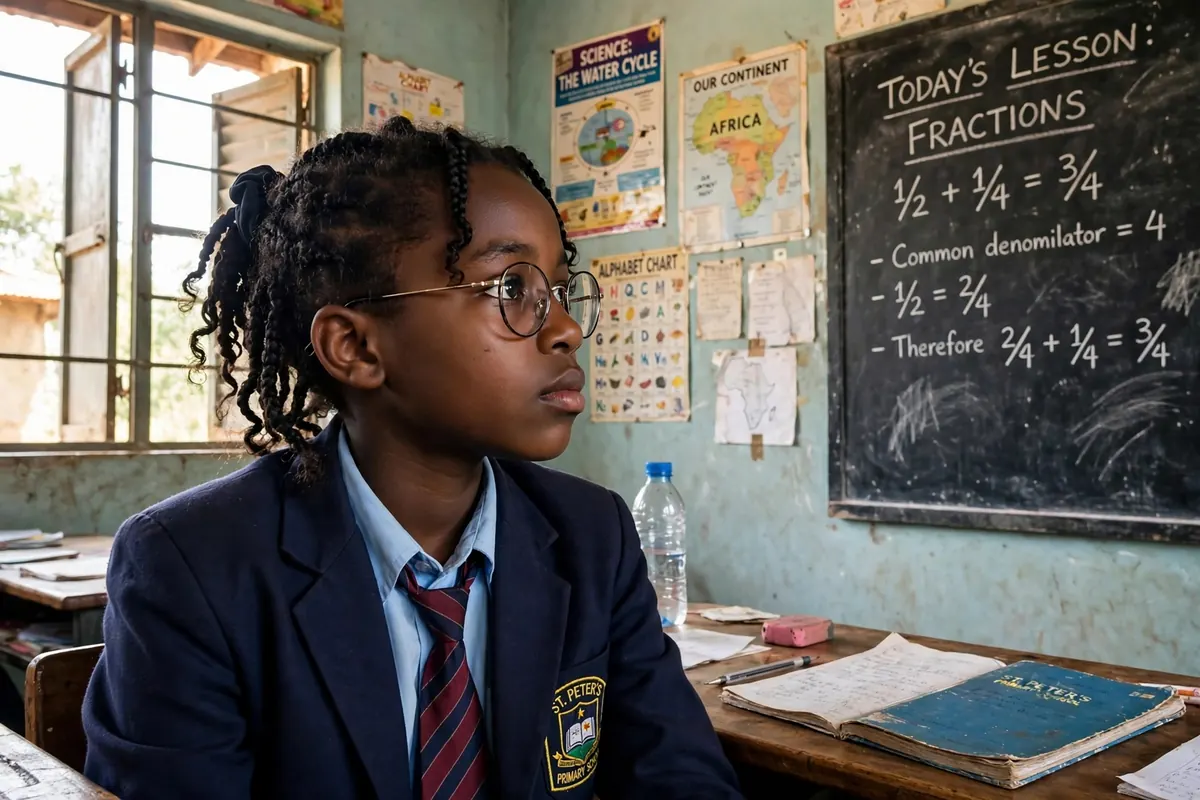
A pupil wearing glasses works through exercises at the blackboard

Vision Screening & Correction

See to Learn

Most of what a young child learns comes through sight, yet in low-income countries a large share of school-age children carry undiagnosed refractive errors or colour blindness. In overcrowded classrooms, a child who cannot read the board is often mislabeled as slow, when the real barrier is simply unseen.

Our teams screen every child with Snellen and Ishihara charts, affordable, validated tools that work at school scale. This year we conducted 1,000 screenings. Children who fail are referred for comprehensive eye exams and, through our referral partners, receive the corrective glasses they need.

The stories stay with us: one pupil who could not read the board from the front row was fitted with glasses, and moved to the top of her class within the same term.

Correcting a child’s vision with glasses is worth a third to half a year of extra schooling.

How We Measure

Evidence Before Anecdote

Termly

Health-day logs record every dose, screening and referral.

5 schools

Attendance registers are tracked at every partner school and compared to baselines.

Published

Findings are shared with parents, districts and funders in open, plain-language reports.

Impact Report 2025

Read the Full 2025 Impact Report

Program-by-program results, delivery data, and what’s next for 2026, including our expansion to 10 new schools in Mubende and Mukono districts. Print-friendly, and shared openly with our partners.

School Health Africa

Impact Report 2025

Healthier Children. Brighter Futures.

  • 1,500 children reached
  • 5 partner schools
  • 40 teachers certified
  • 1,000 vision screenings
“One child was unable to read the board from the front row. After screening and glasses, she moved to top of her class.”
Program Officer, School Health Africa

$25 funds one child for a school year

Donate